

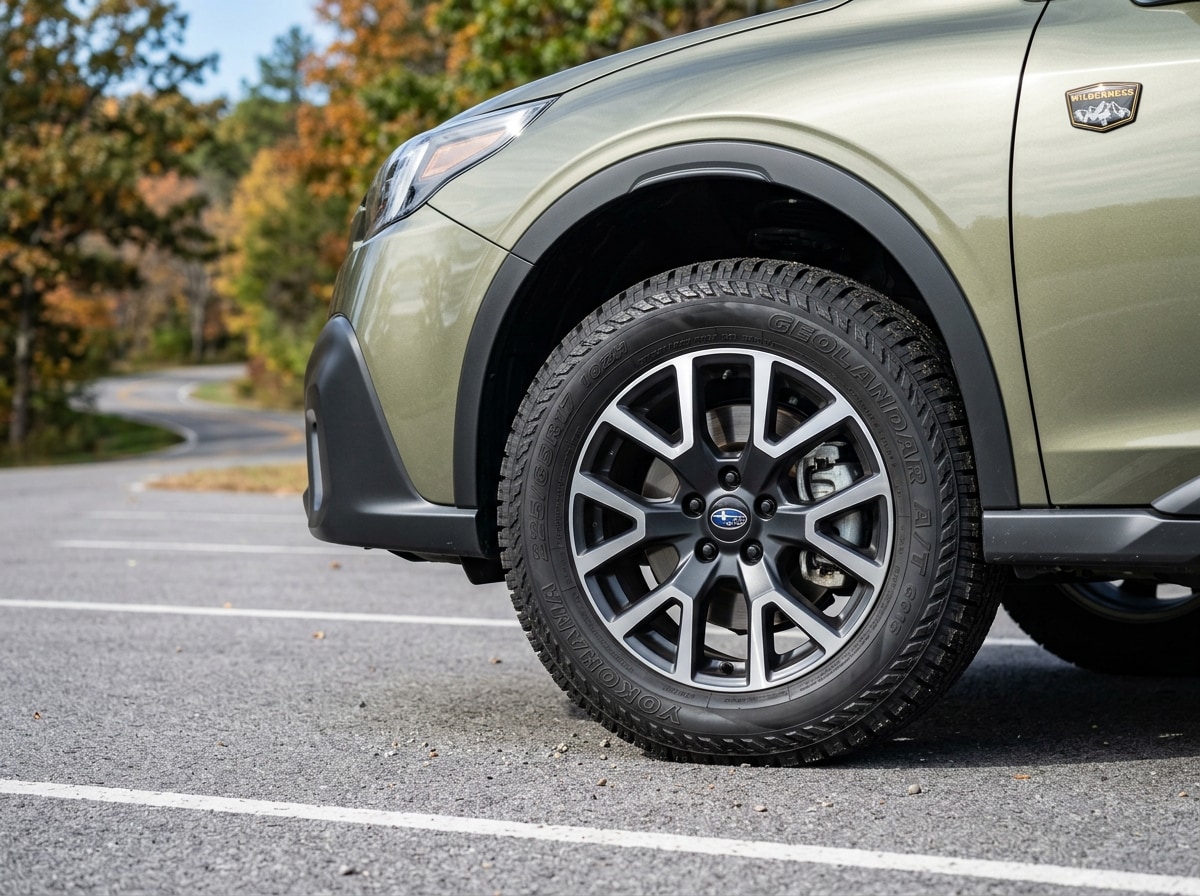
Subaru Tire Sizes and Vehicle Performance
Choosing the correct tire size for your Subaru Outback is fundamental to maintaining the vehicle’s performance, safety, and longevity. Tires are not simply rubber components; they play a critical role in traction, fuel efficiency, ride comfort, and overall handling. For Subaru Outback owners in Belmont and surrounding areas, understanding tire specifications and their influence on driving dynamics is essential, especially given the varied road conditions and seasonal weather patterns common in Massachusetts.
The Subaru Outback typically comes equipped with 17-inch alloy wheels as the factory standard, but tire sizes can vary slightly depending on the model year and trim level. The most common tire size for 2026 Subaru Outback models is 225/60R18. This specification breaks down as follows: 225 millimeters is the tire’s width, 60 is the aspect ratio (the height of the sidewall expressed as a percentage of the width), and 18 inches is the diameter of the wheel the tire fits. This size strikes a balance between ground clearance, sidewall flexibility, and road contact, optimizing both comfort and stability.
Selecting a tire that matches the factory specifications ensures that your Subaru’s all-wheel-drive system and safety features—such as the EyeSight Driver Assist technology—function as intended. Tires that deviate significantly from recommended sizes can alter the vehicle’s handling characteristics, interfere with anti-lock braking systems, and even trigger false alerts from the tire pressure monitoring system (TPMS). For instance, using tires with a larger diameter can increase the effective gearing, potentially reducing acceleration responsiveness and affecting speedometer accuracy, which is critical for safe driving in urban and suburban settings like Brookline, MA.
The sidewall height (aspect ratio) also influences ride quality. A higher aspect ratio, like the 65% found on Outback Wilderness tires, is more suited for off-road capability, and also provides more cushion against bumps and potholes—a common concern on Massachusetts roads during winter and spring thaw. Conversely, lower-profile tires with smaller sidewalls offer sharper handling but tend to transmit more road imperfections to the cabin, which might be less desirable for daily commuting or family outings in Medford, MA.
Width plays a significant role in traction and fuel economy. Wider tires generally provide better grip, particularly in dry conditions or on gravel paths common around Lexington’s suburban neighborhoods. However, they also increase rolling resistance, which can slightly reduce fuel efficiency. Narrower tires offer improved mileage but may compromise traction, especially under wet or snowy conditions. Subaru’s engineers select tire widths to balance these factors, ensuring the Outback performs reliably across the region’s diverse terrain and weather.
Tire construction and tread design also affect performance. All-season tires are standard for many Outback trims, providing versatility for year-round driving. However, the tread pattern and rubber compounds used in these tires are optimized for moderate weather conditions rather than extremes. For drivers in Belmont or Waltham, where winters bring heavy snow and icy roads, switching to dedicated winter tires with appropriate size and tread design enhances safety and control. This switch underscores the importance of understanding tire sizes because winter tires often come mounted on steel rims sized to fit with adequate clearance and sidewall height for deep snow traction.
When replacing tires or upgrading to seasonal sets, it’s important to maintain the same rim diameter to ensure proper fitment and maintain the Subaru Outback’s calibrated suspension and brake systems. Additionally, the bolt pattern (5x114.3mm), center bore (56.1mm), and offset (usually +48 to +53mm) of the wheels must align with the vehicle’s specifications to prevent vibrations or suspension damage. These specifications should guide any decision to purchase aftermarket wheels or tires.
Proper tire maintenance also hinges on the right size. Tires that are too large or small can wear unevenly, leading to premature replacement needs and affecting vehicle safety. Regular inspections, coupled with adhering to recommended tire pressures, help maximize tread life and maintain consistent handling. Subaru specialists at Cityside Subaru can assist with verifying the correct tire size and provide expert recommendations tailored to your vehicle’s model and driving needs.
For Outback owners in Belmont and nearby communities, ensuring the correct tire size is a key step toward preserving vehicle performance and safety. Whether you’re preparing for winter, planning a family trip, or maintaining your daily commute, using tires that meet manufacturer specifications supports Subaru’s commitment to dependable all-weather capability and durable performance.
For expert assistance with tire selection, maintenance, or installation, don’t hesitate to contact the Cityside Subaru Service Department at 866-978-3793 or schedule your next appointment conveniently using our Service Scheduler.
Table of Contents
- Selecting the Best Winter Tires for Your Subaru in Massachusetts
- Routine Tire Maintenance: Rotation Schedules and Inspection Tips for 2026 Subaru Models
- Replacing Subaru Tires: Costs, Quality, and OEM Parts Importance
- Trusted Tire Services and Parts Availability at Cityside Subaru Near Belmont, MA
Selecting the Best Winter Tires for Your Subaru in Massachusetts
Choosing the right winter tires is essential for maintaining Subaru’s renowned all-wheel-drive performance and safety during Massachusetts’ often harsh winter months. Winter tires designed specifically for Subarus help maximize traction on icy roads, packed snow, and slushy surfaces common throughout the region. Selecting tires that balance grip, durability, and compatibility with your Outback’s specifications is critical to preserving vehicle handling and driver confidence.
The best winter tires for a Subaru Outback typically feature specialized tread patterns and rubber compounds engineered to remain flexible in cold temperatures. This flexibility enhances grip on slick surfaces, reducing stopping distances and improving cornering stability. For Massachusetts winters, tires with deep tread grooves and biting edges help channel water and snow away, preventing hydroplaning and maintaining traction. Popular models often recommended for Subaru owners include those from manufacturers that meet or exceed Subaru’s OEM standards for tire size, load rating, and speed rating.
It’s important to match winter tires to the exact size and specifications recommended for your Outback to avoid adverse effects on the vehicle’s advanced safety systems, including Subaru’s EyeSight® Driver Assist technology. Using tires with inappropriate dimensions can cause inaccurate readings from the tire pressure monitoring system (TPMS) or affect the all-wheel-drive system’s balance. For example, the common winter tire size for a 2026 Subaru Outback is 225/60R18, which maintains the correct overall tire diameter and sidewall height to ensure performance and safety features operate as intended.
In addition to size, consider tires with a strong wear rating to endure the frequent stop-and-go conditions of urban areas like Waltham and Lexington, MA. Tires with reinforced sidewalls offer added protection when navigating curbs or uneven winter roads, while studdable options provide extra grip on ice if local regulations permit.
Routine inspection and timely replacement of winter tires are equally important. Since winter tires tend to wear faster on dry pavement, switching to dedicated winter tires only in the cold months helps extend their lifespan. Regularly checking tread depth and inflation pressure can prevent premature wear and maintain optimal road contact.
Properly selected and maintained winter tires ensure your Subaru Outback delivers dependable traction, stability, and safety during Massachusetts’ colder months. This focus on vehicle-specific tire care supports Subaru’s reputation for reliability and driver peace of mind in challenging weather conditions. For expert assistance with tire selection, maintenance, or installation, don’t hesitate to contact the Cityside Subaru Service Department at 866-978-3793 or schedule your next appointment conveniently using our Service Scheduler.
Routine Tire Maintenance: Rotation Schedules and Inspection Tips for 2026 Subaru Models
Maintaining the tires on your 2026 Subaru is essential to ensure optimal safety, handling, and longevity. Regular tire rotation is a fundamental part of this maintenance, helping to promote even tread wear and extend tire life. Subaru recommends rotating tires approximately every 6,000 to 8,000 miles, aligning with oil change intervals to simplify scheduling. This rotation frequency suits the all-wheel-drive system’s balanced power distribution, preventing uneven wear patterns that could compromise traction and vehicle stability.
Proper tire rotation involves moving the front tires to the rear and vice versa, often with a crisscross pattern depending on whether your tires are directional or non-directional. For directional tires, which have a specific tread pattern designed for one-way rotation, the tires should only be swapped front-to-back on the same side. This preserves their intended performance characteristics, especially important for models like the Outback and 2026 Forester that may use tires optimized for wet or snowy conditions. A certified Subaru technician can confirm the appropriate rotation pattern for your specific tire type and model.
Beyond rotation, routine inspections are equally vital. Check your tires monthly for tread depth, sidewall integrity, and any signs of uneven wear, punctures, or embedded debris. The tread depth should generally not fall below 2/32 of an inch; however, for Subaru drivers navigating Massachusetts’ variable weather, a deeper tread—around 4/32 of an inch—is advisable for maintaining grip on wet or icy roads. Uneven wear can indicate alignment or suspension issues, which require prompt professional service to avoid further tire damage and diminished vehicle handling.
Maintaining proper tire pressure is another critical aspect of tire care. Subaru vehicles come equipped with tire pressure monitoring systems (TPMS) designed to alert drivers when pressures fall outside safe ranges. Still, manually checking tire pressures monthly, especially before long trips or seasonal changes, ensures your tires perform as intended. Incorrect tire pressure can accelerate tread wear, reduce fuel efficiency, and impair braking response.
For comprehensive tire maintenance, trust Subaru-certified technicians who understand the nuances of your vehicle’s all-wheel-drive system and tire specifications. Regular service visits not only include rotation and inspections but also allow for alignment checks and balancing, which contribute to smoother rides and extended tire life. Scheduling your maintenance through a reliable service department supports your Subaru’s performance and your family’s safety throughout every season. For expert assistance with tire selection, maintenance, or installation, don’t hesitate to contact the Cityside Subaru Service Department at 866-978-3793 or schedule your next appointment conveniently using our Service Scheduler.
Replacing Subaru Tires: Costs, Quality, and OEM Parts Importance
When it comes time to replace tires on your Subaru, understanding the balance between cost, quality, and compatibility is essential for maintaining your vehicle’s safety and performance. Subaru vehicles, including the Outback, feature specifically engineered tire sizes and specifications designed to optimize handling, fuel efficiency, and ride comfort. Using tires that meet these precise standards protects your investment and ensures the all-wheel-drive system functions as intended during New England’s varied weather conditions.
The expense of replacing all four tires can vary depending on tire type, brand, and performance rating. While generic or lower-cost tires may seem attractive, they can lead to premature wear or compromised traction, especially in winter or wet conditions common around Belmont and neighboring communities. Investing in high-quality tires with appropriate speed and load ratings promotes longer tread life and safer driving experiences. For many Subaru owners, OEM (Original Equipment Manufacturer) tires or those closely matching factory specifications offer the best balance of durability and reliability.
OEM tires are engineered to Subaru’s exact specifications, guaranteeing compatibility with the vehicle’s suspension, braking system, and tire pressure monitoring system (TPMS). This precision reduces the risk of uneven wear, false TPMS alerts, and potential handling issues. By choosing genuine Subaru tires or certified OEM replacements, you maintain the vehicle’s optimized performance and preserve warranty coverage. Certified technicians at Cityside Subaru can assist in verifying proper tire fitment and recommend options that meet these high standards.
For replacement parts and tires, Cityside Subaru provides a comprehensive parts inventory featuring genuine Subaru components. Access to authentic parts supports reliable repairs and maintenance, helping your Outback stay safe and roadworthy. Explore our Order Parts site to find tires and related components that maintain your vehicle’s integrity. Additionally, take advantage of our current Service and Parts Specials to optimize your maintenance budget while ensuring quality.
When replacing tires, entrusting the job to certified Subaru technicians guarantees professional installation, including proper balancing and calibration of the TPMS. This approach reduces the risk of uneven tread wear and enhances the longevity of your tires, contributing to consistent performance on Belmont’s roads all year round. For expert assistance with tire selection, maintenance, or installation, don’t hesitate to contact the Cityside Subaru Service Department at 866-978-3793 or schedule your next appointment conveniently using our Service Scheduler.
Trusted Tire Services and Parts Availability at Cityside Subaru in Belmont, MA
Maintaining your Subaru’s tires with expert care is essential for safety and performance, especially given the varying road conditions around Belmont. At Cityside Subaru, our service department specializes in Subaru tire maintenance, ensuring that your vehicle receives precise attention tailored to its unique specifications. Our certified technicians use the latest diagnostic tools to monitor tire health, including tire pressure monitoring system (TPMS) calibration and balanced installation, which are critical for preserving handling and fuel efficiency.
We stock a comprehensive selection of genuine Subaru parts, including tires and rims that meet original factory standards. Using OEM parts guarantees compatibility and durability, helping you avoid premature wear or fitment issues common with generic replacements. Whether you need seasonal tire swaps, repairs, or new tires, our team provides thorough inspections and expert recommendations based on your Subaru model and driving habits.
To facilitate convenient service, Cityside Subaru offers flexible scheduling and transparent communication, accommodating busy Belmont drivers. For easy access, you can Get Directions to Cityside Subaru or Call us at (866) 978-3793 for personalized assistance. Trusting your tire service to Cityside Subaru ensures professional care that supports your Subaru’s longevity and your family’s safety on Belmont’s roads. For expert assistance with tire selection, maintenance, or installation, don’t hesitate to contact the Cityside Subaru Service Department at 866-978-3793 or schedule your next appointment conveniently using our Service Scheduler.
© 2026 Cityside Subaru. All rights reserved.