

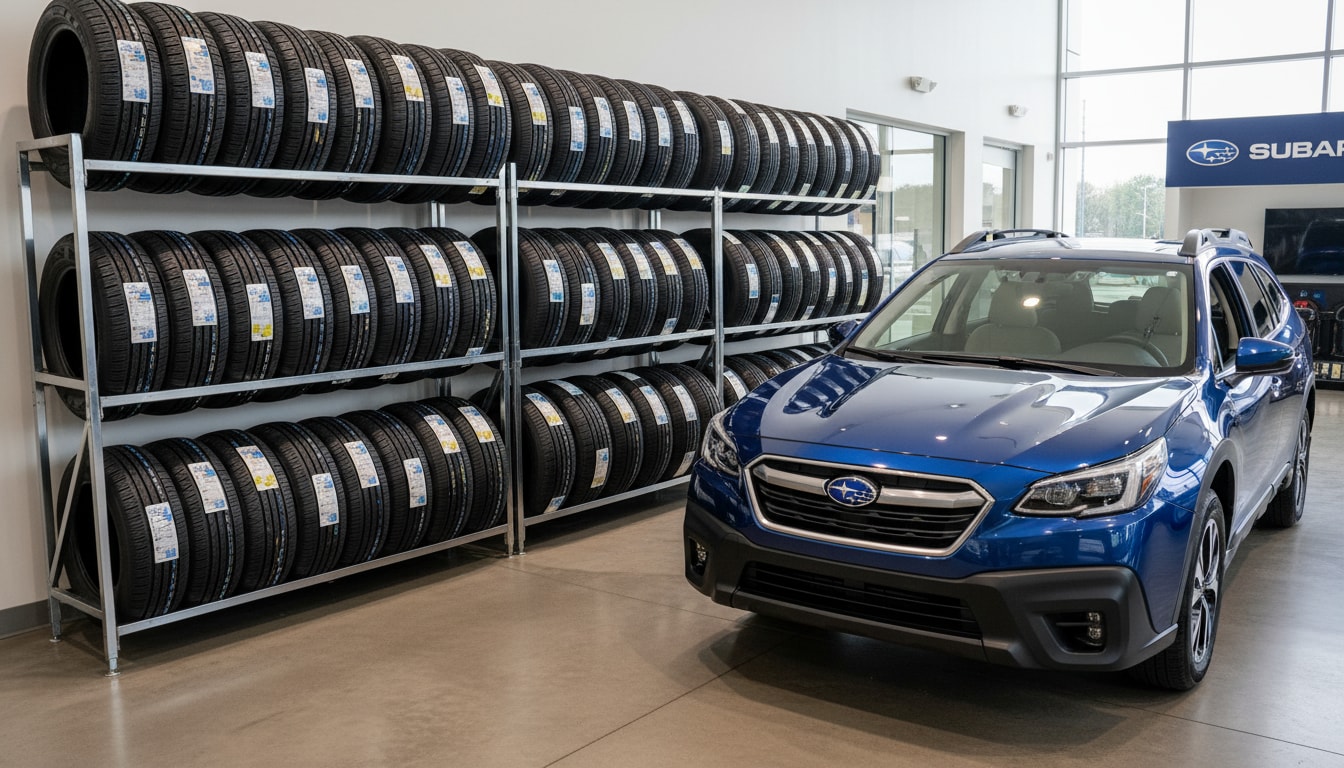
Choosing the right tires is crucial for maximizing the performance, safety, and longevity of your Subaru. Tires are more than just rubber components; they are complex assemblies designed to complement Subaru’s engineering, especially its renowned Symmetrical All-Wheel Drive system. The specifications and features of Subaru tires ensure that handling, traction, and ride comfort meet the brand’s rigorous standards. Understanding these details helps owners make informed decisions when replacing or upgrading tires.
Subaru tires are engineered to match the specific needs of each model, taking into account factors such as vehicle weight distribution, suspension tuning, and intended usage. For example, the tire size, tread pattern, and rubber compound vary between models like the Subaru Outback, Forester, Crosstrek, and WRX. These differences are deliberate to optimize grip on various surfaces, whether it’s wet roads, snow-covered streets, or gravel trails.
Key specifications to consider include tire size, aspect ratio, speed rating, and load capacity. The tire size, usually expressed in a format like 225/60R17, indicates the width (225 mm), aspect ratio (60% of the width), and rim diameter (17 inches). Maintaining the exact tire size recommended by Subaru ensures the vehicle’s safety systems, such as ABS and the tire pressure monitoring system (TPMS), function correctly. Deviating from these sizes can cause inaccurate readings or uneven wear.
Another critical feature is the tread design. Subaru tires often feature all-season or all-weather tread patterns engineered to provide balanced performance across dry, wet, and light snow conditions. The tread compound is formulated to retain flexibility in cold temperatures while resisting wear in warmer climates. Some Subaru models come equipped with summer performance tires, which have a softer compound and wider tread blocks for enhanced grip but require seasonal changes to maintain effectiveness.
Tire construction also impacts performance. Most Subaru tires use radial construction, offering improved ride comfort, better fuel efficiency, and enhanced traction. The tread depth is carefully calibrated to maintain effective water evacuation, reducing hydroplaning risks.
Understanding tire specifications also involves recognizing industry standards such as the Uniform Tire Quality Grading (UTQG), which rates treadwear, traction, and temperature resistance. Subaru tires typically meet or exceed these standards to align with the brand’s safety and durability expectations.
When replacing tires, selecting tires that meet Subaru’s OEM specifications is crucial to preserving the vehicle’s balance and drivetrain health. Improper tires can affect Subaru’s hallmark all-wheel-drive system by causing uneven tire rotation speeds, which may trigger warning lights or accelerate component wear.
In summary, Subaru tires are meticulously designed to uphold the brand’s commitment to safety, performance, and reliability. Ensuring the right tire size, tread design, and construction tailored to your specific Subaru model is essential for maintaining optimal driving dynamics and protecting your investment. For those in Belmont and surrounding areas, consulting knowledgeable experts at Cityside Subaru can provide guidance on selecting the best tires to match your vehicle’s precise requirements.
Table of Contents
- Comparing OEM and Aftermarket Subaru Tires: Which Is the Better Choice?
- Tire Requirements for Subaru Symmetrical All-Wheel Drive Systems
- All-Season vs. All-Weather Tires: Selecting the Right Option for Your Subaru
- Expert Tips for Maintaining Subaru Tires for Optimal Safety and Performance
Comparing OEM and Aftermarket Subaru Tires: Which Is the Better Choice?
When choosing tires for your Subaru, deciding between OEM (Original Equipment Manufacturer) and aftermarket options involves weighing several technical and practical factors. OEM tires are those originally fitted on the vehicle at the factory, engineered to meet Subaru’s exact specifications for size, tread pattern, load capacity, and performance. These tires ensure precise compatibility with your Subaru’s systems, including the Symmetrical All-Wheel Drive and Tire Pressure Monitoring System (TPMS), maintaining the balance, handling, and safety standards set by the manufacturer.
OEM tires typically feature advanced rubber compounds optimized for durability and traction across various conditions, tested extensively to perform well with Subaru’s suspension and drivetrain calibrations. Their manufacturing also adheres to stringent quality controls, which contributes to consistent ride quality and wear patterns. However, OEM tires can sometimes be pricier, and the selection may be limited to specific brands or models that Subaru endorses.
On the other hand, aftermarket tires offer a broader variety of brands, price points, and tread designs. This flexibility can be beneficial for drivers looking for specialized performance, such as enhanced off-road capability or aggressive winter traction. Some aftermarket tires may even surpass OEM specifications in certain performance aspects. However, it is crucial to verify that any aftermarket tire matches the required dimensions, speed ratings, and load capacities dictated by Subaru. Incorrect sizing or mismatched tires can negatively affect the vehicle’s handling, fuel economy, and safety features.
For Subaru owners in Belmont, MA, who prioritize reliability and seamless integration with their vehicle’s systems, OEM tires remain the recommended choice. Cityside Subaru provides expert assistance to source the correct OEM tires tailored to your model’s needs. You can get directions to Cityside Subaru to explore our selection or call us at (866) 978-3793 for personalized guidance. Choosing the right tires safeguards your Subaru’s performance and enhances driving confidence year-round.
Tire Requirements for Subaru Symmetrical All-Wheel Drive Systems
Subaru’s Symmetrical All-Wheel Drive (AWD) system is engineered for balanced power distribution, enhancing traction, stability, and control. To preserve its performance and prevent mechanical issues, tires must meet strict specifications. All four tires should be matched in size, tread pattern, and wear level to maintain uniform rolling circumference. Even minor differences can cause drivetrain strain, leading to premature wear of the center differential and transfer case components.
Subarus typically require tires with identical diameters and load ratings to ensure the AWD system functions correctly. For example, if one tire has a deeper tread or a different brand with varying tread blocks, it can cause uneven torque distribution. This imbalance may trigger warning lights and affect handling, especially in slippery conditions. Subaru engineers recommend replacing all four tires simultaneously or, if that’s not feasible, ensuring new tires closely match the remaining tires’ wear and specifications.
Tire pressure also plays a critical role; uneven inflation can cause inconsistent traction and excessive drivetrain stress. Maintaining manufacturer-recommended tire pressures optimizes the AWD system’s responsiveness and fuel efficiency. Additionally, Subaru’s Tire Pressure Monitoring System (TPMS) is calibrated for OEM tires, so using authorized tires helps preserve sensor accuracy.
For Subaru owners near Belmont, MA, Cityside Subaru provides expert assistance in selecting tires that meet these exacting requirements, ensuring your AWD system performs safely and efficiently under all driving conditions.
All-Season vs. All-Weather Tires: Selecting the Right Option for Your Subaru
Choosing between all-season and all-weather tires for your Subaru involves understanding their distinct performance characteristics and suitability for different driving conditions. Both tire types are designed to offer versatility, but they serve different purposes based on climate and road challenges.
All-season tires provide reliable performance in a variety of conditions such as dry roads, light rain, and mild winter weather. Their tread patterns balance traction and longevity, making them a popular choice for drivers who experience moderate seasonal changes. However, all-season tires are not optimized for severe winter conditions like heavy snow or ice, which can compromise grip and safety.
All-weather tires, on the other hand, are engineered to handle more extreme weather fluctuations, including snow and slush, without the need for a tire change. They carry the Three-Peak Mountain Snowflake (3PMSF) symbol, indicating they meet specific winter traction standards. This makes all-weather tires an excellent option for Subaru owners who want year-round reliability without switching to dedicated winter tires.
For Subaru vehicles equipped with Symmetrical All-Wheel Drive, maintaining consistent traction and balance across all four tires is crucial. All-weather tires’ enhanced winter capabilities can complement this system, providing improved control in mixed conditions common around Belmont, MA. However, if winter conditions are severe, dedicated winter tires paired with proper Subaru rims may still be the safest choice.
Ultimately, selecting the right tire depends on your typical driving environment and preferences. Discussing your specific needs with the experts at Cityside Subaru ensures you find a tire that maximizes both performance and safety throughout the year.
Expert Tips for Maintaining Subaru Tires for Optimal Safety and Performance
Proper care of your Subaru tires is vital to maintaining safety, fuel efficiency, and ride comfort. Start by regularly inspecting tire pressure, as underinflated or overinflated tires can cause uneven wear and reduce handling precision. Subaru recommends checking tire pressure monthly and adjusting it to the specifications found in your owner’s manual or on the door jamb placard.
Rotation is another critical maintenance task. Rotating tires every 6,000 to 8,000 miles promotes even tread wear, extending tire life and preserving balanced traction. When rotating, follow Subaru’s recommended patterns to avoid drivetrain strain, especially for vehicles with Symmetrical All-Wheel Drive.
Monitoring tread depth is essential for safety, particularly in wet or snowy conditions common around Belmont, MA. Replace tires when tread depth reaches 2/32 of an inch or sooner if you frequently drive on slippery roads. Additionally, balancing and alignment checks prevent vibration and uneven wear, protecting suspension components and ensuring optimal contact with the road.
Finally, clean your tires with mild soap and water to prevent rubber degradation and inspect them for cuts, bulges, or embedded debris. Consistent maintenance keeps your Subaru tires performing at their best, safeguarding your investment and your safety on every drive.
© 2026 Cityside Subaru. All rights reserved.